
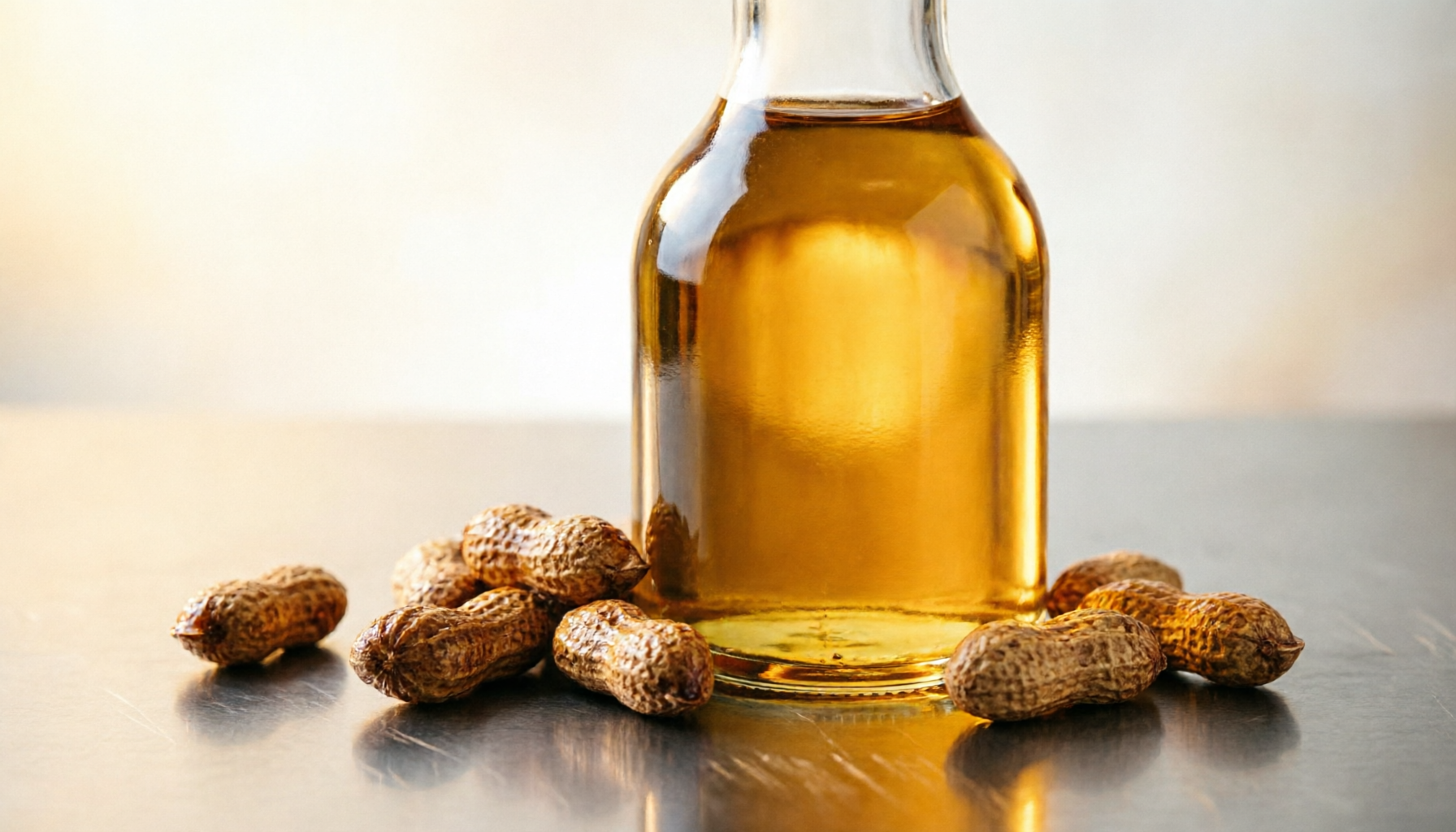
Peanut Oil for Food Manufacturers: Refined vs Cold-Pressed, Specs & Sourcing Guide
September 29, 2026
Why Peanut Oil Matters for Commercial Food Production
Peanut oil is one of the most versatile cooking oils used in commercial food manufacturing worldwide. Its high smoke point, neutral flavor profile, and excellent oxidative stability make it a preferred choice for frying, baking, and food processing operations. For B2B buyers and food manufacturers, understanding the differences between refined and cold-pressed peanut oil is critical for optimizing production quality, cost efficiency, and end-product consistency.
Whether you operate a snack food factory, a restaurant chain, or a large-scale food processing facility, choosing the right type of peanut oil directly impacts your product quality, shelf life, and operational costs. This guide provides a detailed comparison to help you make an informed sourcing decision.
Refined Peanut Oil: The Industry Standard
Production Process
Refined peanut oil undergoes a multi-step refining process that includes degumming, neutralization, bleaching, and deodorization. This process removes impurities, free fatty acids, pigments, and volatile compounds, resulting in a clear, neutral-flavored oil with exceptional stability.
Key Specifications
| Parameter | Typical Value | Significance |
|---|---|---|
| Smoke Point | 230°C (446°F) | Ideal for high-temperature frying |
| Free Fatty Acid (FFA) | ≤ 0.1% | Indicates high purity and stability |
| Peroxide Value | ≤ 1.0 meq/kg | Low oxidation, extended fry life |
| Color (Lovibond) | ≤ 1.0 Red | Light color, minimal impact on food appearance |
| Moisture & Volatiles | ≤ 0.05% | Prevents splattering during frying |
| Oleic Acid Content | 40-60% | Good balance of stability and nutrition |
Best Applications
- Deep frying: Snack foods, french fries, fried chicken, tempura
- Stir-frying: Ready-meal production, wok-based cooking
- Baking: Pastries, crackers, and baked snacks
- Food processing: As a carrier oil for flavors and seasonings
Advantages for Manufacturers
- Consistent quality batch after batch
- Long fry life due to low FFA and peroxide values
- Neutral flavor that does not interfere with product taste
- High smoke point reduces oil degradation during frying
- Cost-effective for high-volume operations
Cold-Pressed Peanut Oil: The Premium Choice
Production Process
Cold-pressed peanut oil is extracted using mechanical pressing at temperatures below 60°C (140°F). This method preserves the natural peanut flavor, aroma, and nutritional compounds such as vitamin E (tocopherols), phytosterols, and polyphenols. No chemical solvents are used in the extraction process.
Key Specifications
| Parameter | Typical Value | Significance |
|---|---|---|
| Smoke Point | 160-180°C (320-356°F) | Suitable for medium-heat cooking |
| Free Fatty Acid (FFA) | 0.5-2.0% | Higher FFA due to minimal processing |
| Peroxide Value | 2.0-5.0 meq/kg | Shorter shelf life than refined |
| Color | Golden to amber | Rich natural color from peanuts |
| Vitamin E (Tocopherols) | 15-30 mg/100g | Higher nutritional value |
| Flavor Profile | Rich, nutty, aromatic | Distinctive peanut taste |
Best Applications
- Premium food products: Artisan snacks, gourmet dressings, specialty sauces
- Health-focused brands: Products marketed as natural or minimally processed
- Flavor-forward applications: Asian cuisine, dipping oils, finishing oils
- Clean-label products: Brands emphasizing chemical-free processing
Side-by-Side Comparison
| Factor | Refined Peanut Oil | Cold-Pressed Peanut Oil |
|---|---|---|
| Smoke Point | 230°C (446°F) | 160-180°C (320-356°F) |
| Flavor | Neutral | Rich, nutty |
| Shelf Life | 12-18 months | 6-9 months |
| Cost (per MT) | Lower | 30-50% higher |
| Nutritional Retention | Moderate | High |
| Frying Performance | Excellent | Moderate |
| Allergen Risk | Very low (proteins removed) | Higher (trace proteins may remain) |
| Best For | High-volume frying | Premium/gourmet products |
Quality Parameters to Specify When Ordering
When sourcing peanut oil for commercial food manufacturing, always specify the following parameters in your purchase order or RFQ to ensure consistent quality:
- FFA (Free Fatty Acid): Maximum percentage — lower is better for stability
- Peroxide Value: Maximum meq/kg — indicates freshness and oxidation level
- Iodine Value: Range indicating degree of unsaturation
- Saponification Value: Indicates average molecular weight of fatty acids
- Color: Lovibond scale specification
- Moisture & Volatile Matter: Maximum percentage
- Fatty Acid Composition: C16:0, C18:0, C18:1, C18:2, C20:0 percentages
Sourcing Peanut Oil from China
China is one of the world's largest peanut oil producers, with major production hubs in Shandong, Henan, and Hebei provinces. When sourcing from Chinese suppliers, consider the following:
Key Sourcing Considerations
- Certifications: Request ISO 22000, HACCP, Halal, Kosher, and FDA registration
- Testing: Require third-party lab reports (SGS, Intertek, Bureau Veritas) for every shipment
- Traceability: Ensure full supply chain traceability from raw peanuts to finished oil
- Aflatoxin control: Verify aflatoxin B1 levels meet your country's import standards (EU: ≤ 2 ppb, US: ≤ 20 ppb)
- Minimum Order Quantity: Typically 1-2 FCL (full container loads) for bulk orders
Packaging Options for B2B Buyers
| Packaging Type | Capacity | Best For |
|---|---|---|
| Flexitank | 16,000-24,000 L | Large-volume importers, cost-efficient shipping |
| IBC Tote | 1,000 L | Medium-volume buyers, easy handling |
| Steel Drum | 200 L | Smaller manufacturers, longer storage |
| HDPE Jerry Can | 5-25 L | Food service, restaurant supply |
| PET Bottle | 0.5-5 L | Retail-ready private label |
Making the Right Choice for Your Operation
The decision between refined and cold-pressed peanut oil ultimately depends on your product positioning, production requirements, and target market:
- Choose refined peanut oil if you need high-temperature frying performance, neutral flavor, long shelf life, and cost efficiency at scale.
- Choose cold-pressed peanut oil if your brand emphasizes natural processing, premium quality, nutritional value, and distinctive peanut flavor.
For manufacturers who need both options, many Chinese suppliers offer flexible production lines that can supply both refined and cold-pressed varieties under consistent quality management systems.
Partner with HowFun Oil
HowFun Oil is a trusted Chinese peanut oil supplier serving food manufacturers worldwide. We offer both refined and cold-pressed peanut oil with full certification packages, third-party testing, and flexible packaging options. Contact our team for a customized quote based on your specific requirements.
Premium Walnut Oil
Cold-pressed walnut oil rich in omega-3 fatty acids. Ideal for salad dressings, finishing oils, and specialty health food markets.
Premium Peanut Oil for Your Market
Our cold-pressed and refined peanut oil delivers authentic flavor and high smoke point performance. Available in bulk and retail packaging.
View Peanut Oil Products →Explore Our Products
Browse our full range of bulk edible oils for importers, distributors, and food manufacturers.
Need Custom Packaging or Private Label?
We offer full OEM/ODM services including custom formulation, private label branding, and flexible packaging starting from 6,000 bottles.
Explore Custom Services →See How We Help Our Clients
From restaurant chains to international distributors, discover how our edible oil solutions drive business growth for partners worldwide.
View Case Studies →Get a Quote
Fill out the form below and we'll get back to you within 24 hours